
Feeding basics
Feeding Frozen Rodents: A Beginner’s Guide to Getting It Right
Choosing the right prey, thawing it safely and building a sensible feeding routine: clear answers to the questions new snake keepers ask first.
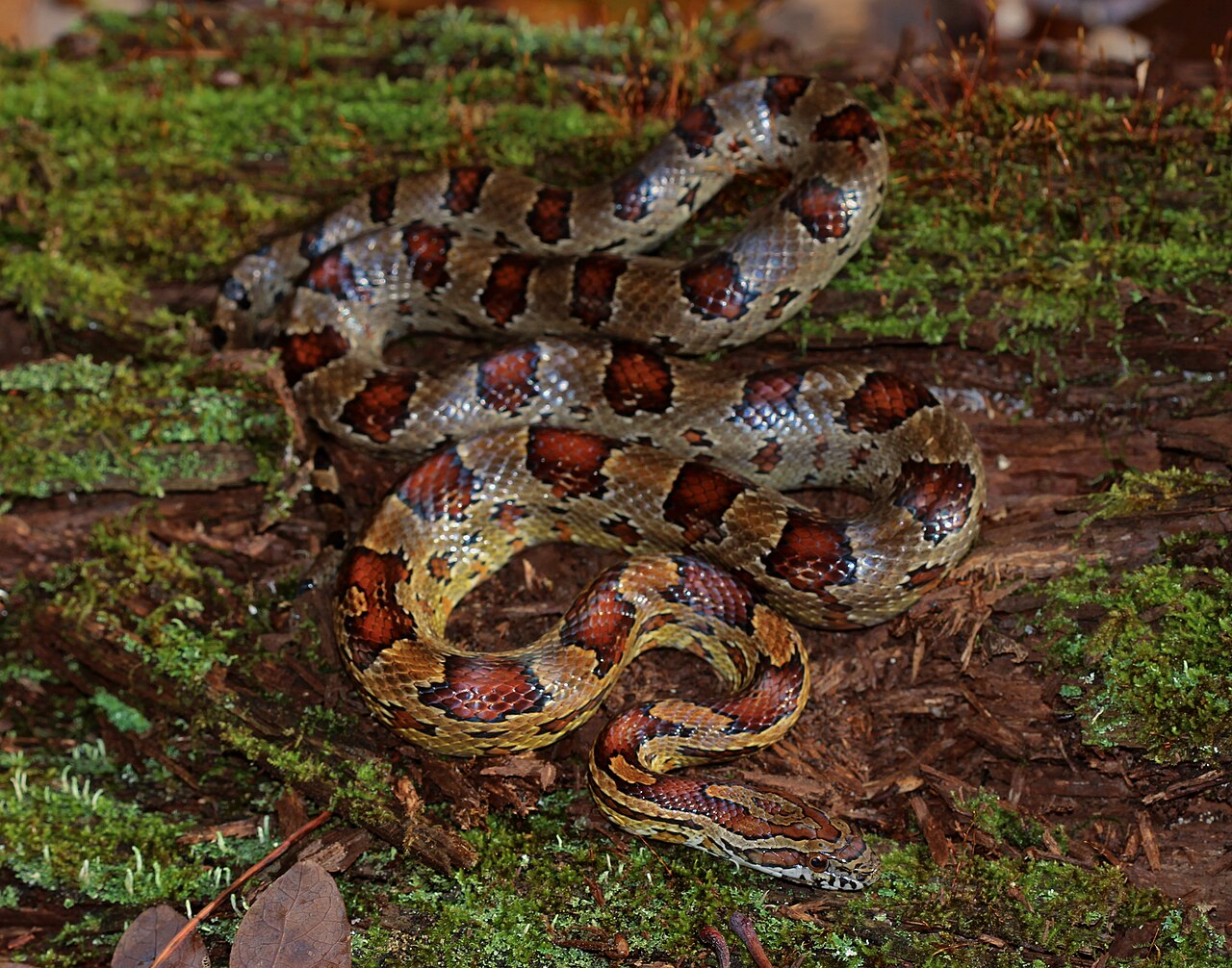
Your first rodent feed can feel like a big event. Which mouse should you order? Does it need warming? And what if your snake simply looks away?
Start with a repeatable routine: choose an appropriate whole prey item, prepare it safely, offer it calmly and record what happened. This guide is for keepers of rodent-eating snakes, including corn snakes and royal pythons. Other reptiles and snakes with specialist diets need their own feeding plan.
What should my snake eat?
For many commonly kept rodent-eating snakes, good-quality whole mice or rats provide a balanced meal. Whole prey includes organs and skeleton as well as muscle; a piece of supermarket meat is not an equivalent replacement. Confirm your species' diet before buying food. A mouse is not suitable for every snake simply because it is sold as reptile food.
Choose commercially supplied frozen prey. Live rodents can injure a snake, including through serious bites. A refusal of frozen/thawed food is a reason to seek experienced help, not to introduce a live mouse. Veterinary background: VCA's feeding guidance.
Which size should I buy?
Ask the breeder, rescue or previous keeper for the prey species, weight range, last successful meal and feeding interval. Write these down before ordering. Labels such as pinky, fluff and small rat are useful shop descriptions; compare the actual size and weight rather than assuming labels match between suppliers.
For corn snakes and royal pythons, the RSPCA describes prey slightly wider than the snake's widest body region. Treat that as species-specific guidance, not permission to offer the largest meal a snake can swallow. If the next size looks a substantial jump, check with a reptile vet before changing. RSPCA royal python care.
How often should I feed?
Age, species, prey size, activity and body condition all matter. Growing youngsters generally eat more frequently than mature snakes. There is no universal “one mouse every Sunday” rule.
As a corn snake example, the RSPCA describes a hatchling pinky feed every five to six days, progressing towards an adult mouse every seven to fourteen days. That is a starting reference for corn snakes, not a schedule for every python or boa. Weigh regularly and review the plan as the animal grows or gains excess condition. RSPCA corn snake feeding advice.
How do I store, thaw and warm frozen food?
Keep stock frozen, labelled and within the supplier's storage guidance. Prepare only the meal you intend to offer.
- Thaw under refrigeration, in a dedicated, leakproof container separated from human food. Allow enough time for the centre to thaw completely; larger prey takes longer.
- Check the whole item has thawed. A soft outside does not mean the middle is ready.
- Warm after thawing, shortly before the feed. A sealed bag in warm water is a practical way to warm the prey gently. Offer it warm, never hot or partly frozen; do not cook it.
- Use it promptly. Remove and discard an uneaten, warmed meal; do not refreeze it for another attempt.
Refrigerated thawing and offering prey above refrigerator temperature follow the Merck Veterinary Manual's snake nutrition guidance. Use dedicated equipment away from kitchen preparation areas, and never microwave feeder rodents. CDC handling advice.
How should I offer the meal?
Check that the enclosure's measured temperatures match your species' care requirements. Maintain its normal, correctly controlled thermal gradient; do not turn up the thermostat to make a reluctant snake eat.
For corn snakes and royal pythons, the RSPCA recommends feeding inside the vivarium using tongs. Keep fingers away from the prey and allow the snake to approach without prodding it. Once it takes the food, give it space. Avoid routine handling for at least 48 hours afterwards, and longer where species guidance advises it. RSPCA royal python care.
Does a whole-prey diet need calcium powder or water?
Do not copy an insect-eating lizard's supplement routine onto a snake. Routine supplementation is not normally needed for a corn snake eating good-quality whole prey; use supplements if your reptile vet identifies a reason. Fresh drinking water is still essential and should be replaced daily or immediately when soiled. RSPCA corn snake care.
What if my snake refuses food?
A missed meal can occur around shedding or after a move, but a change in appetite deserves attention. Record it, check the enclosure and review the previous feeding history. Avoid repeatedly presenting food throughout the day or force-feeding at home.
Do not assume a royal python is healthy merely because the species is known for fasting; ask a reptile vet about a change in appetite. RSPCA royal python fasting advice.
Seek advice early for a young snake failing to establish feeding. Weight loss, regurgitation, mouth changes, abnormal droppings, marked weakness or breathing difficulty need prompt veterinary attention. VCA: common diseases of pet snakes.
How do I keep feeding hygienic?
Freezing does not eliminate Salmonella. Wash hands after touching prey or feeding equipment, then clean and disinfect contacted surfaces. Keep rodent supplies out of kitchens and use dedicated containers and tongs. Children under five, pregnant people, adults aged 65 or over and people with weakened immune systems should not handle feeder rodents. Never use wild-caught rodents. CDC reptile and feeder-rodent safety.
Your feeding record: five useful notes
| Record | What to write |
|---|---|
| Date | When the meal was offered |
| Food | Prey species and size/weight |
| Result | Eaten, refused or regurgitated |
| Body condition | Periodic weight and any visible change |
| Context | Shed, enclosure readings or other observations |
Bring this record when asking for advice. It is much more useful than “sometimes eats well”. This is general keeper guidance; an individual feeding plan should reflect your snake's species and health.
Feeding guide references
Sources & further reading
This guide brings together practical advice from the sources below. For advice about an individual animal’s health, speak to a qualified reptile vet.
- Corn snake care — RSPCA · Sources checked 15 September 2026
- Royal python care — RSPCA · Sources checked 15 September 2026
- Snakes: Feeding — VCA Animal Hospitals · Sources checked 15 September 2026
- Common diseases of pet snakes — VCA Animal Hospitals · Sources checked 15 September 2026
- Nutrition in snakes — Merck Veterinary Manual · Sources checked 15 September 2026
- Reptiles and amphibians: safe feeding and hygiene — CDC · Sources checked 15 September 2026